As the time left on the course started to run out, the budget needed to be used up. Luckily for us, this meant there was money available to try new things for free. For those of us who had already done a pottery induction, we had the chance to play with porcelain clay.
We were sat in front of a slab of clay and basically told to have fun.
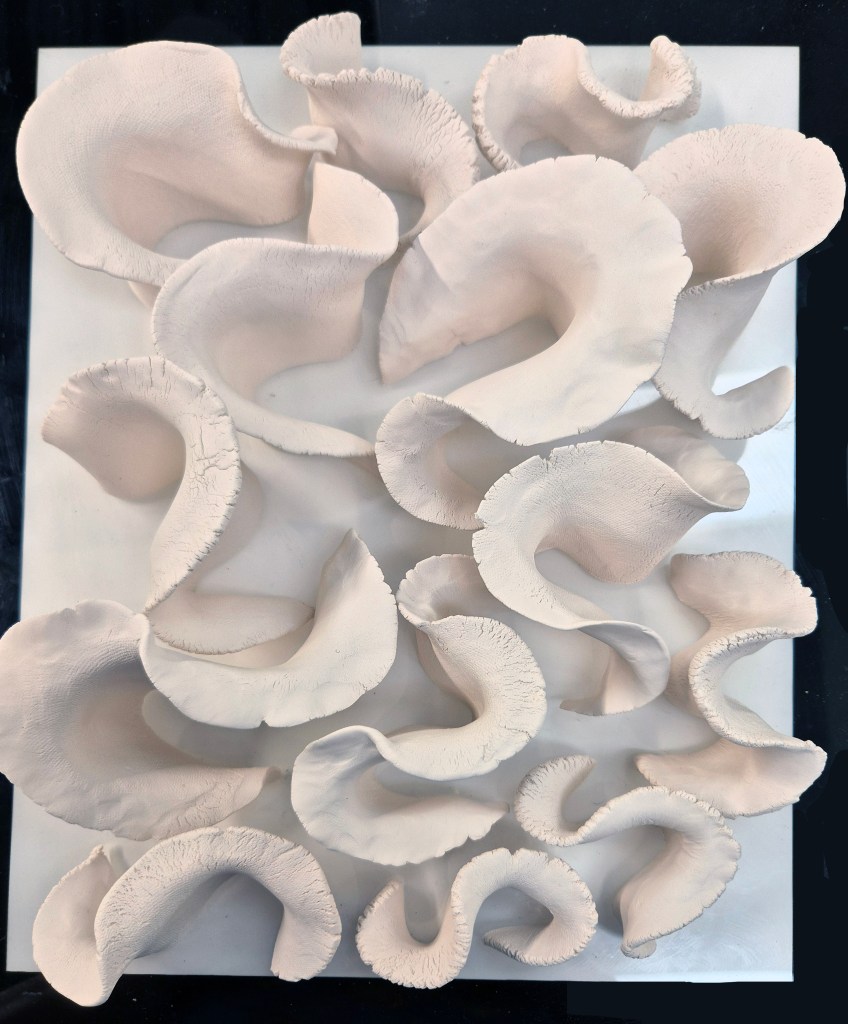
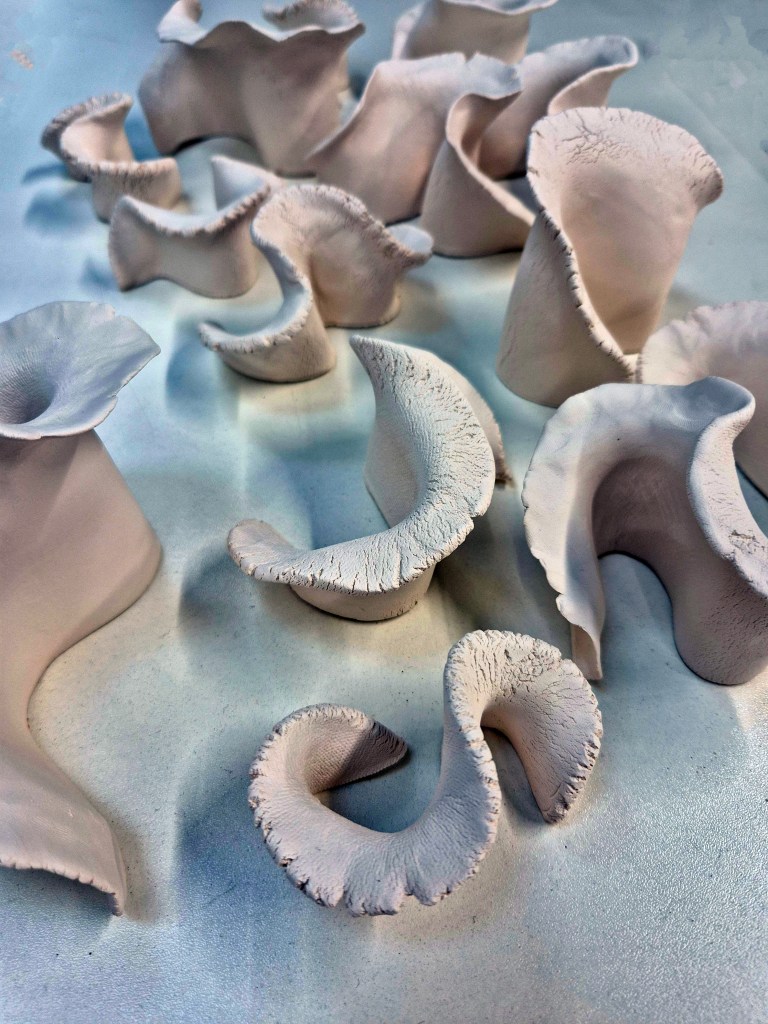
I had recently watched a documentary about coral bleaching and how once colourful coral beds were dying, leaving behind white, dead skeletons. I had also seen this for myself on a recent trip to the Red Sea. I went under the sea in a glass-bottomed submarine to look at the coral reefs in comfort, and saw stark white coral slowly taking over parts of the reef. So, when I picked up the clay, this was what came to mind.
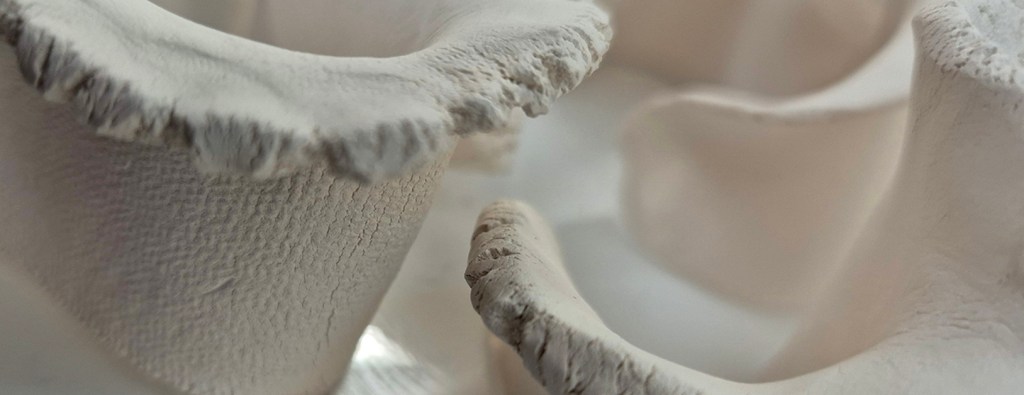
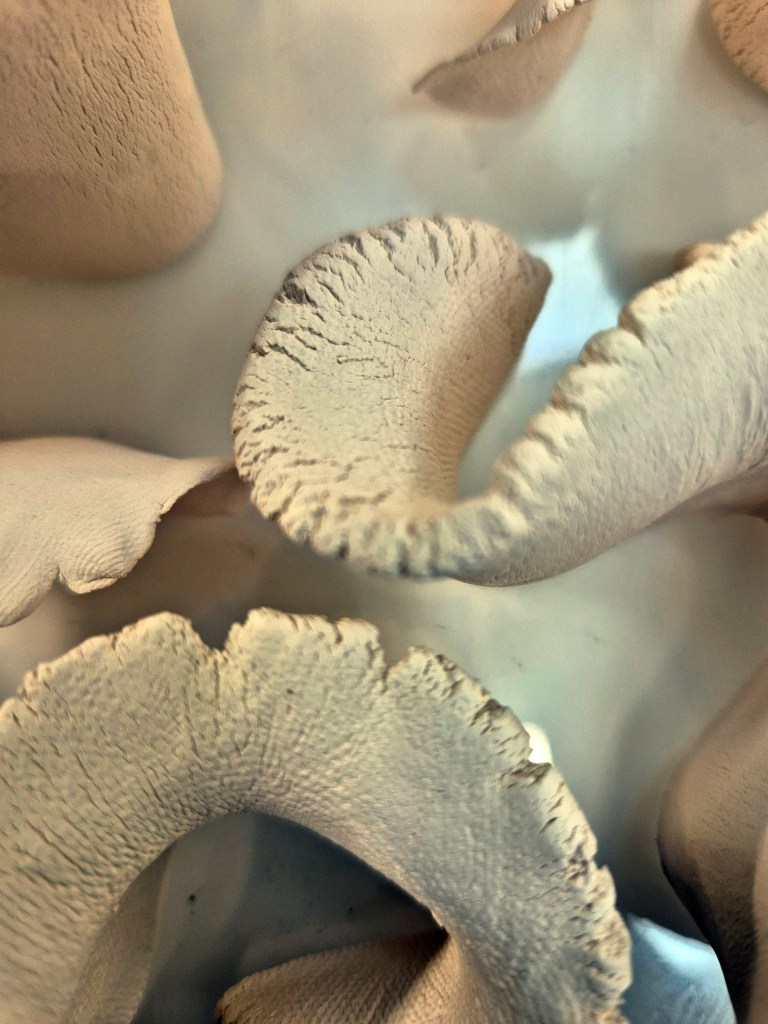
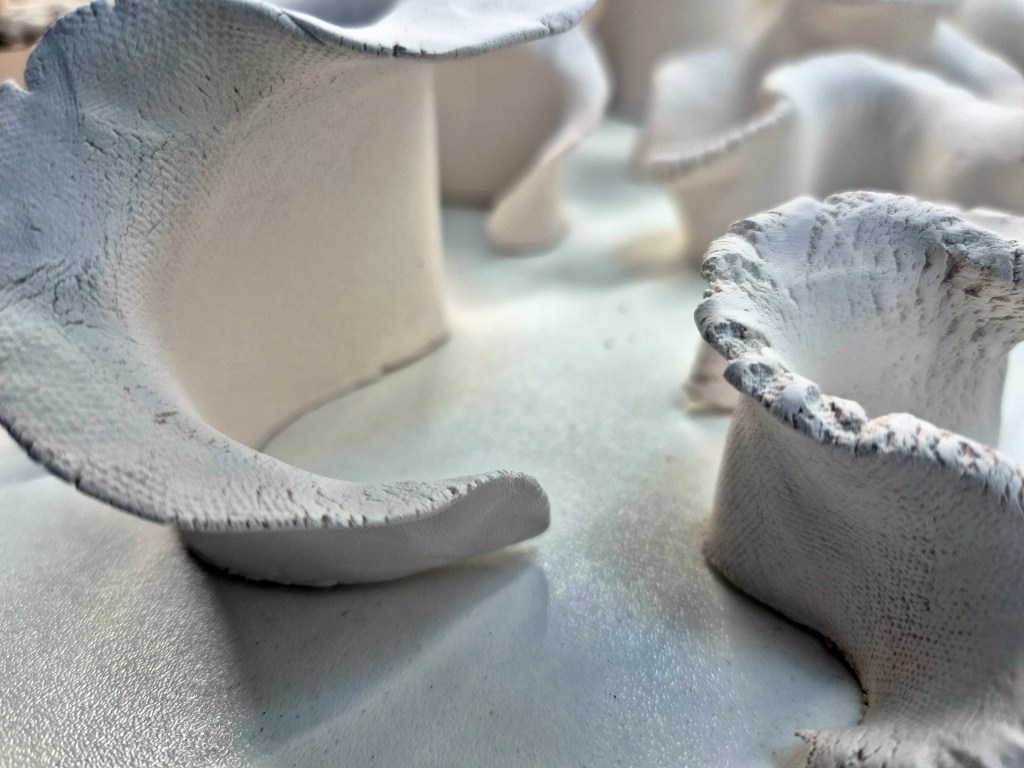
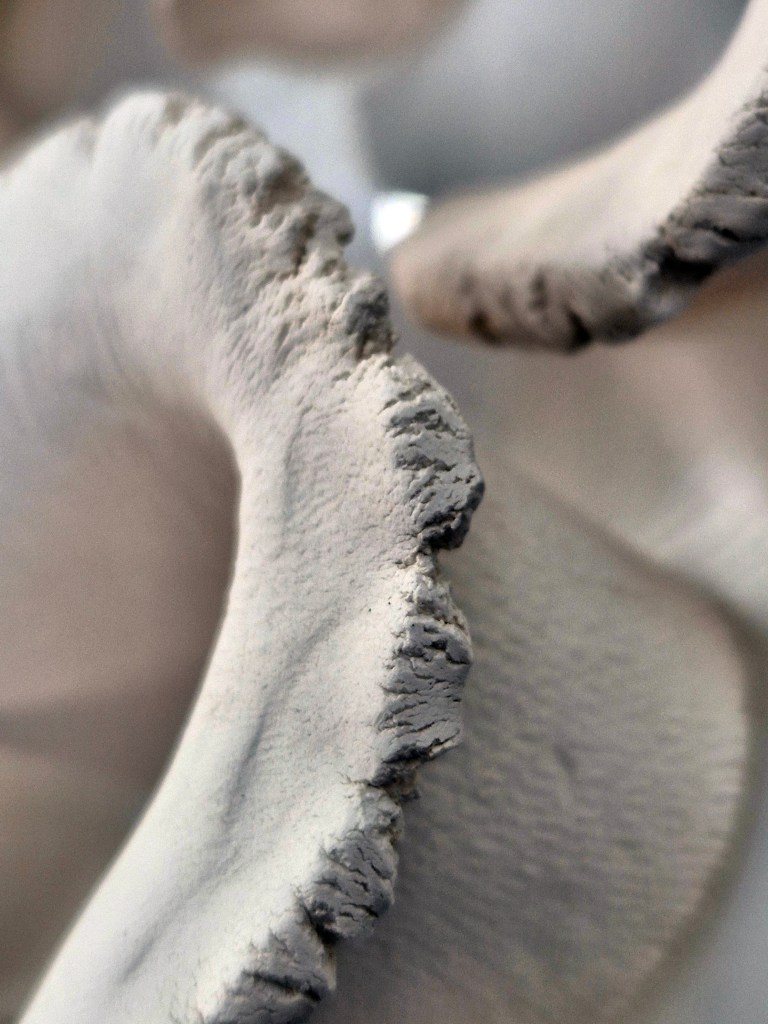
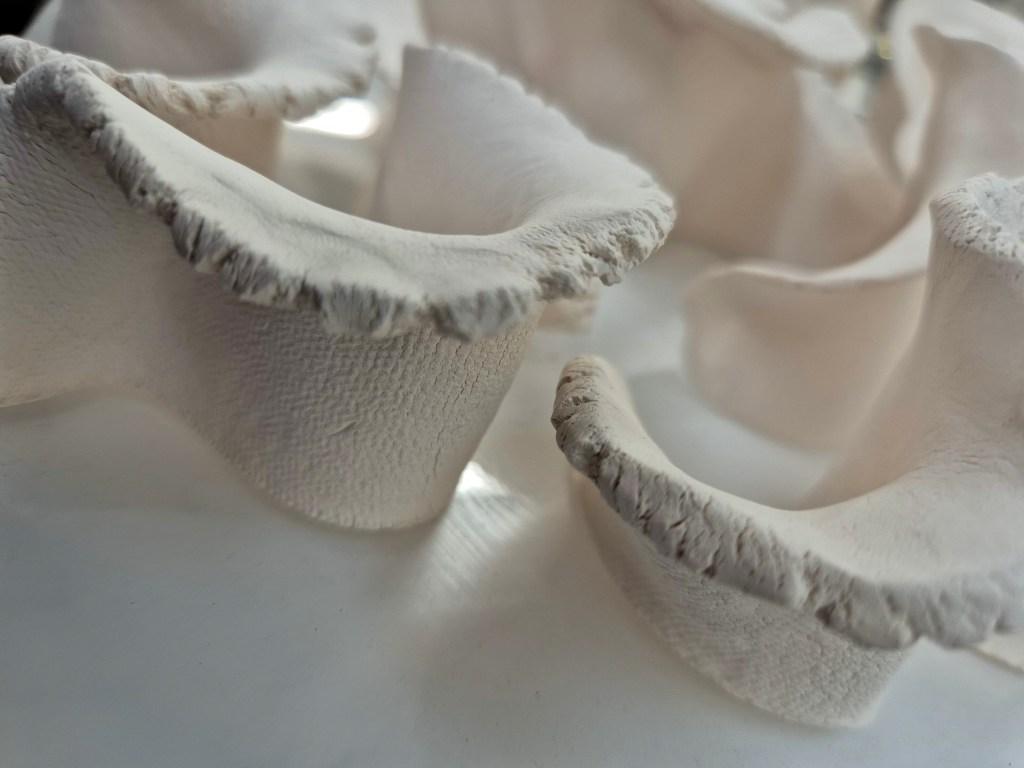
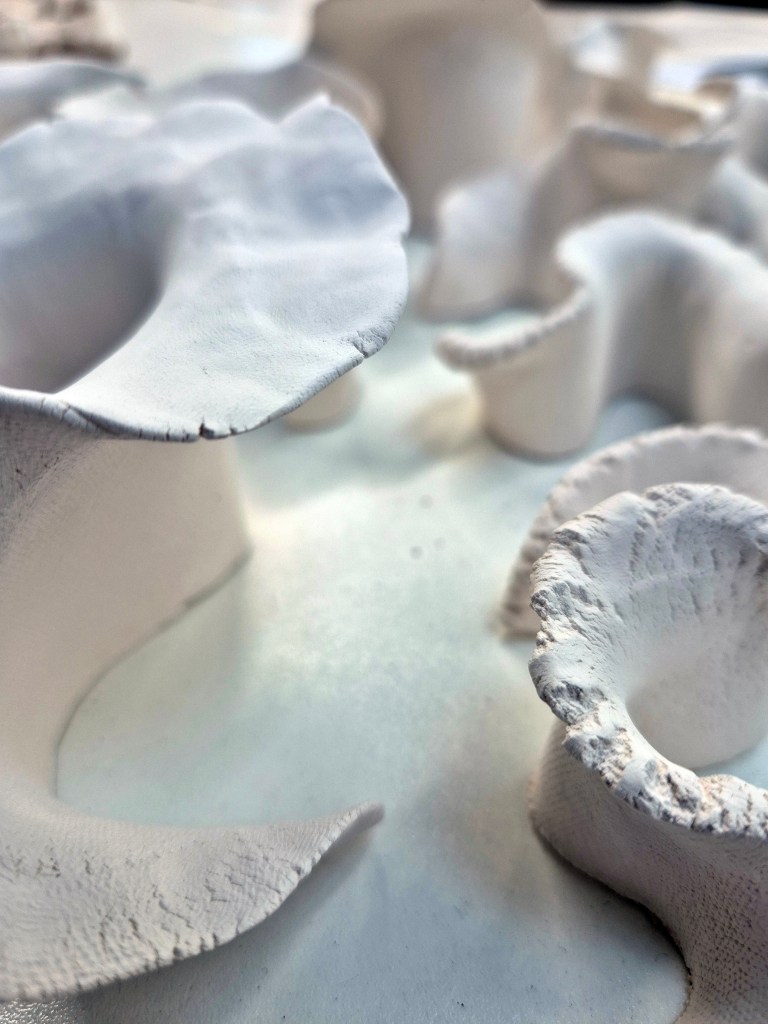
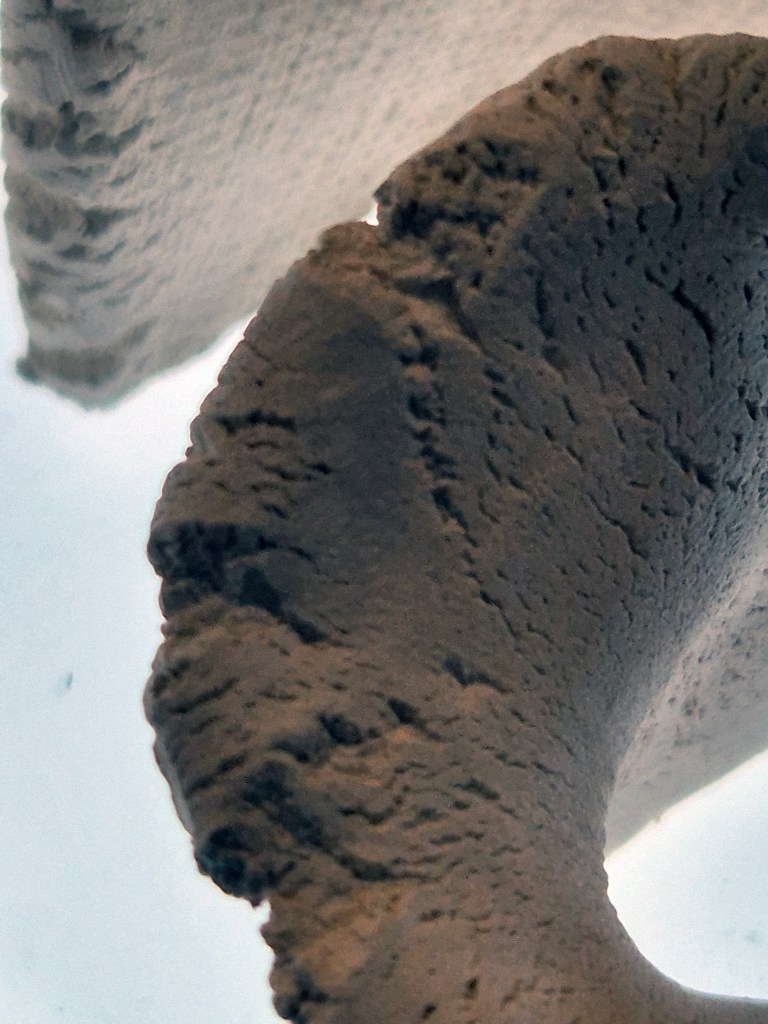
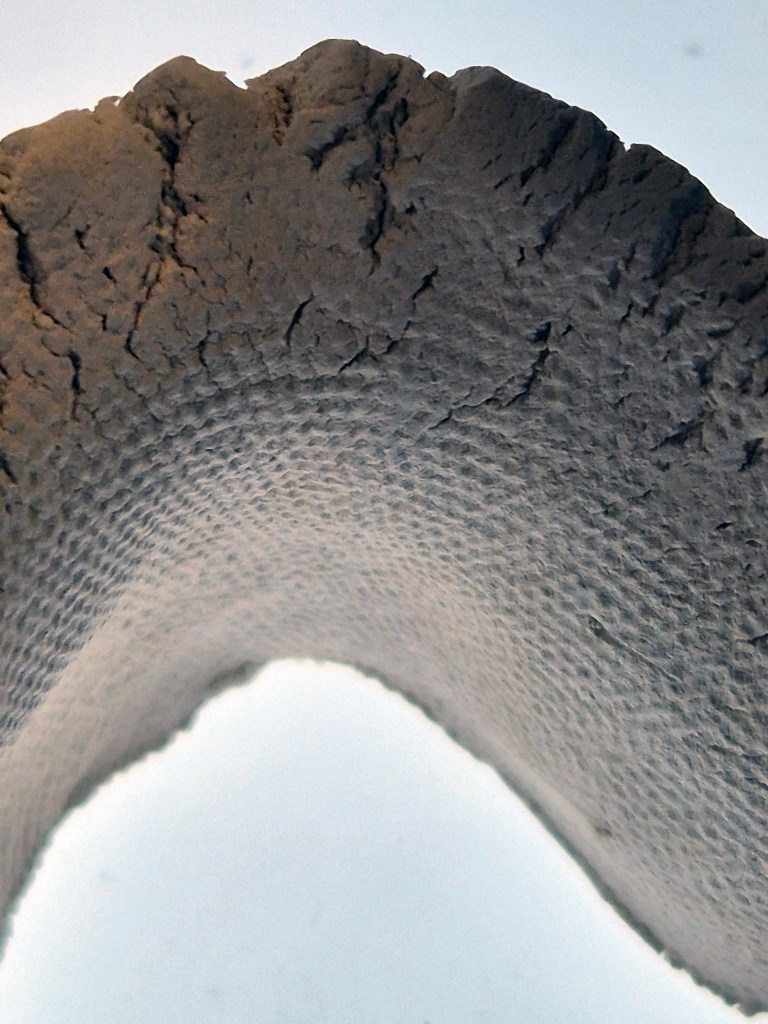
At first, the shapes I made were smooth and flowing, which was what I expected porcelain to be. But as the clay started to dry, the edges began to crack as I pushed and pulled them into curves. Instead of being annoyed by this, I found myself becoming quite fascinated by it. The cracks and rough edges started to look more like the coral I had seen. I began deliberately manipulating the clay until the edges became frail and distorted.
I think this was another one of those moments when I started to understand that things didn’t always have to be perfect. Normally, cracks and rough edges would have felt like something had gone wrong, something to fix or hide. This time they became part of the piece. In fact, they became one of the things I liked most about it.
I find there is something beautiful about imperfection. The stress lines gave the clay something that the smooth porcelain couldn’t. The pieces were all different and damaged, but when they were put together they became something else.
I never wanted to make a replica of coral. I wanted to create the feeling of coral and, more importantly, the feeling I had when I saw those white skeletons taking over the reef. There was something quite sad about seeing something that should have been full of colour reduced to these pale, fragile remains.
From a distance, I think the piece looks beautiful. The shapes come together and almost look peaceful. But when you get closer, you start to see the cracks, the roughness and the damage. I quite like that contrast. It reminds me that something can look beautiful on the surface while something very different is happening underneath.
I think that was probably what stayed with me most from making this piece. I started with an idea about dying coral, but I also ended up thinking about how often I expect things to be neat and perfect. The clay seemed to work better once I stopped trying to make it perfect and allowed the damage to become part of it.
 Cheryl Nelson Costumes
Leave a comment