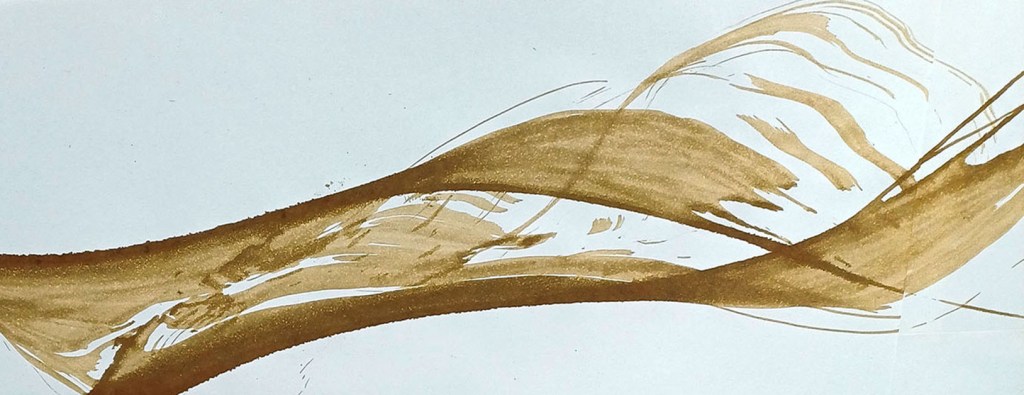
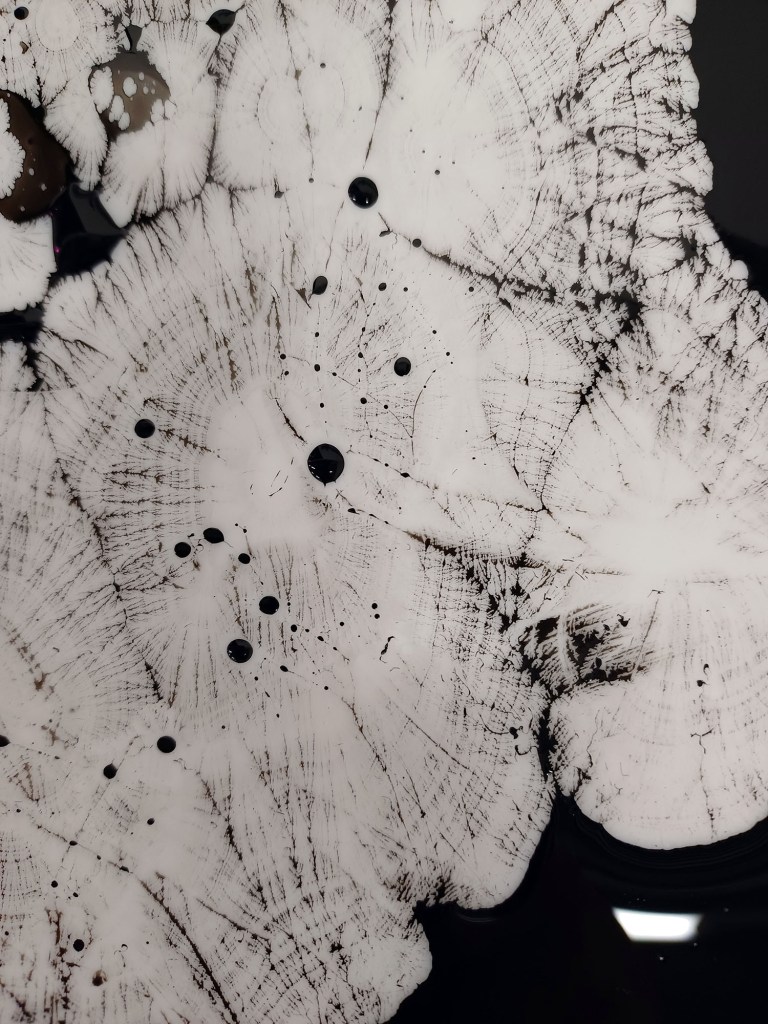
One of the key principles of the AUP course was learning the fundamentals of art. At its most basic, all art begins with marks of some kind: paint on paper, the impression of a tool pressed into clay, water left on a floor, grass stains on clothes, even piles of rubbish abandoned on the ground. In one way or another, in my opinion art is simply a collection of marks left on the world.
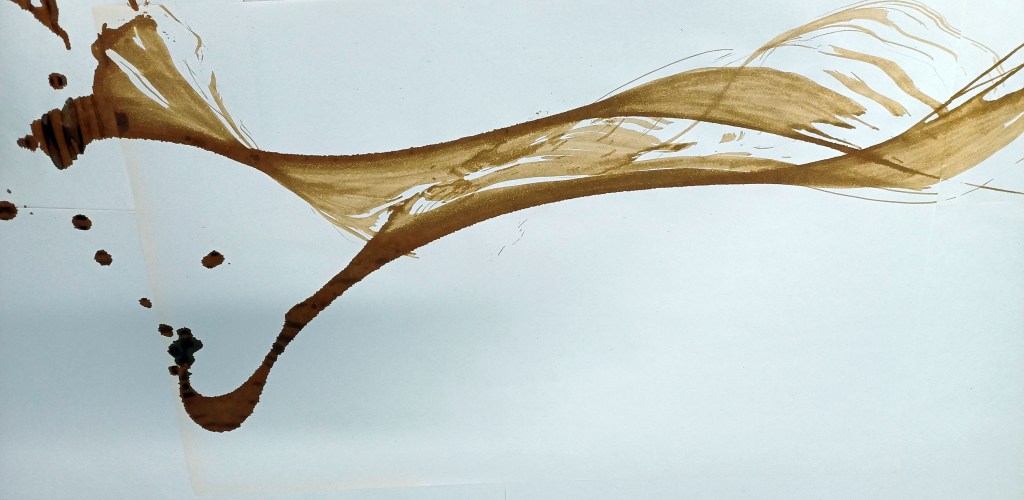
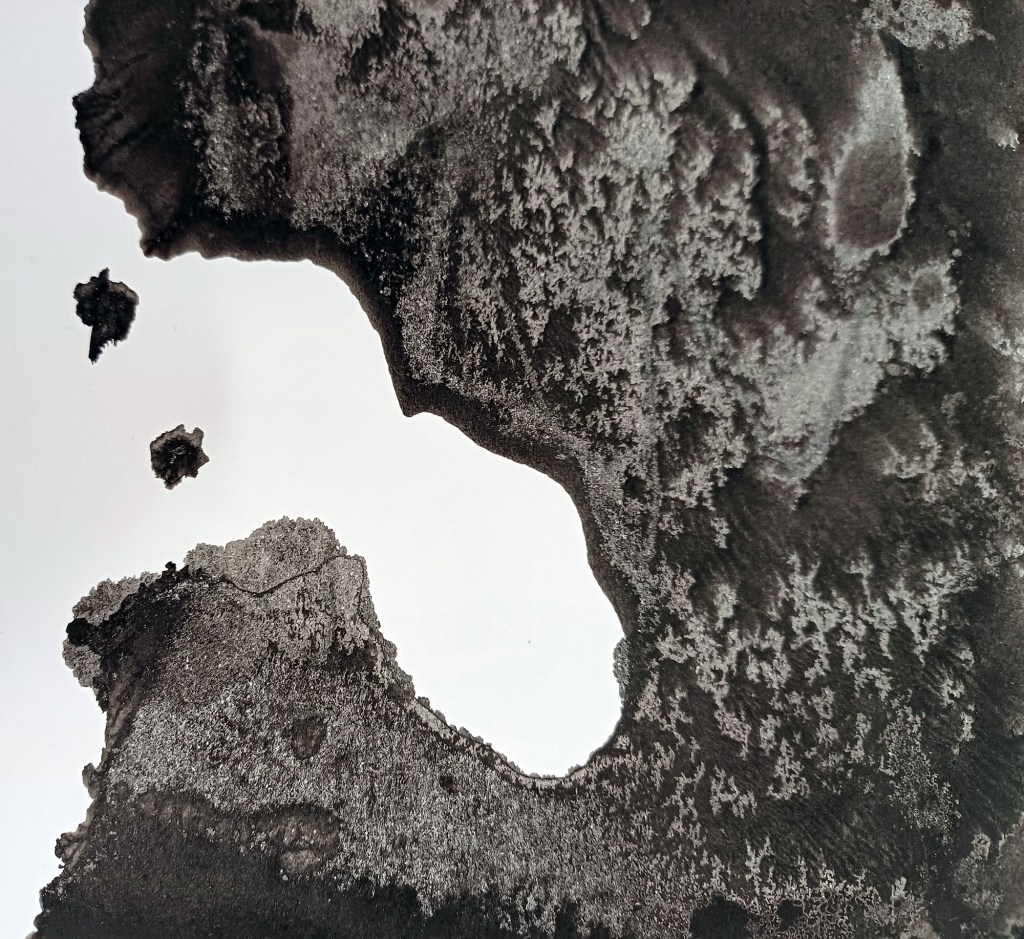
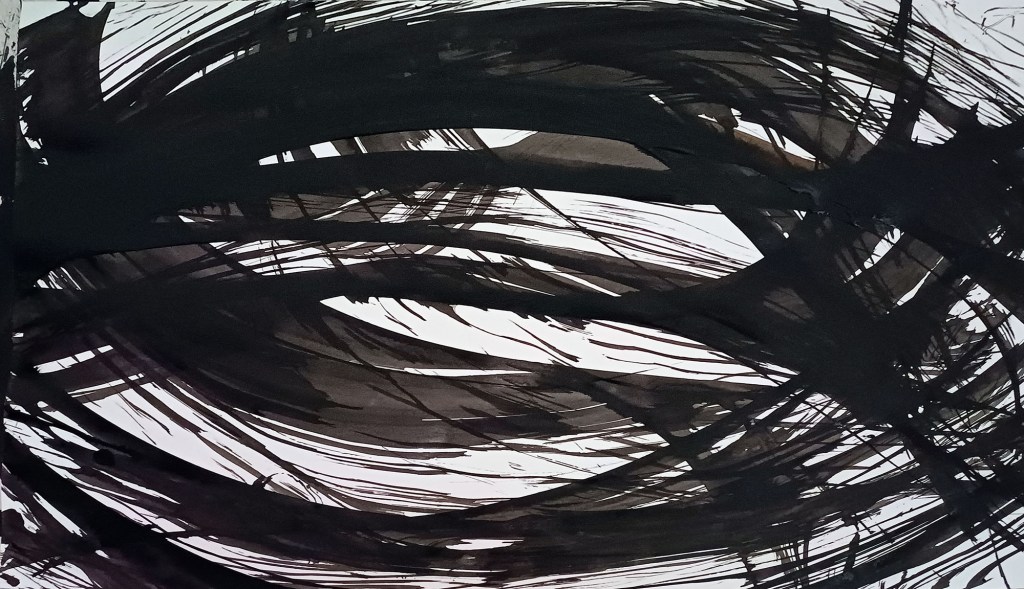
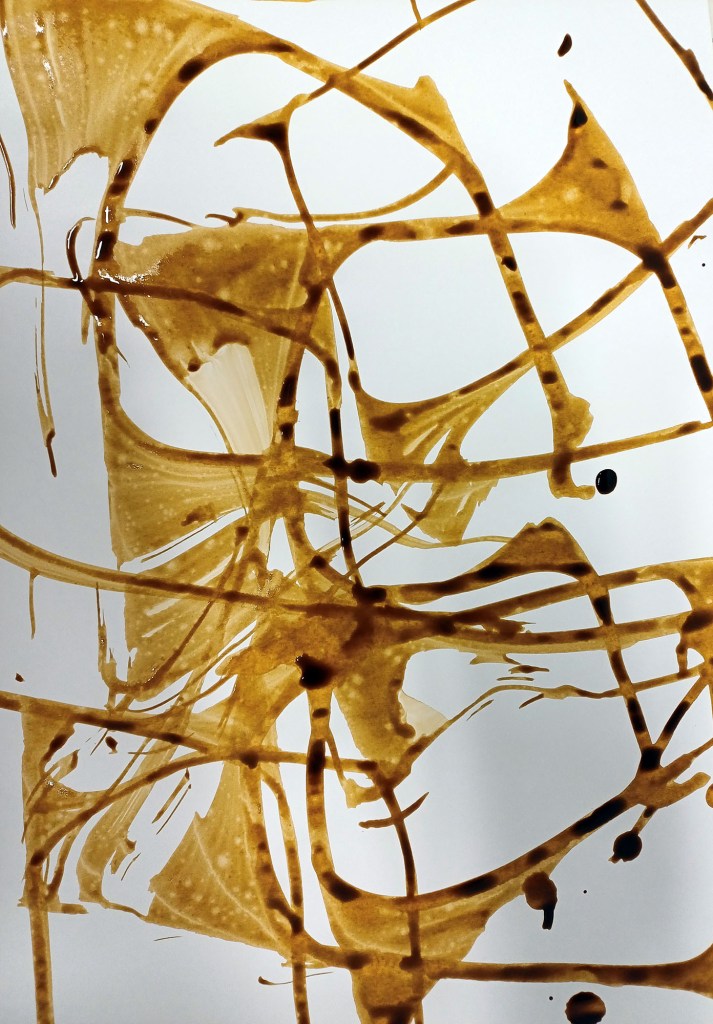
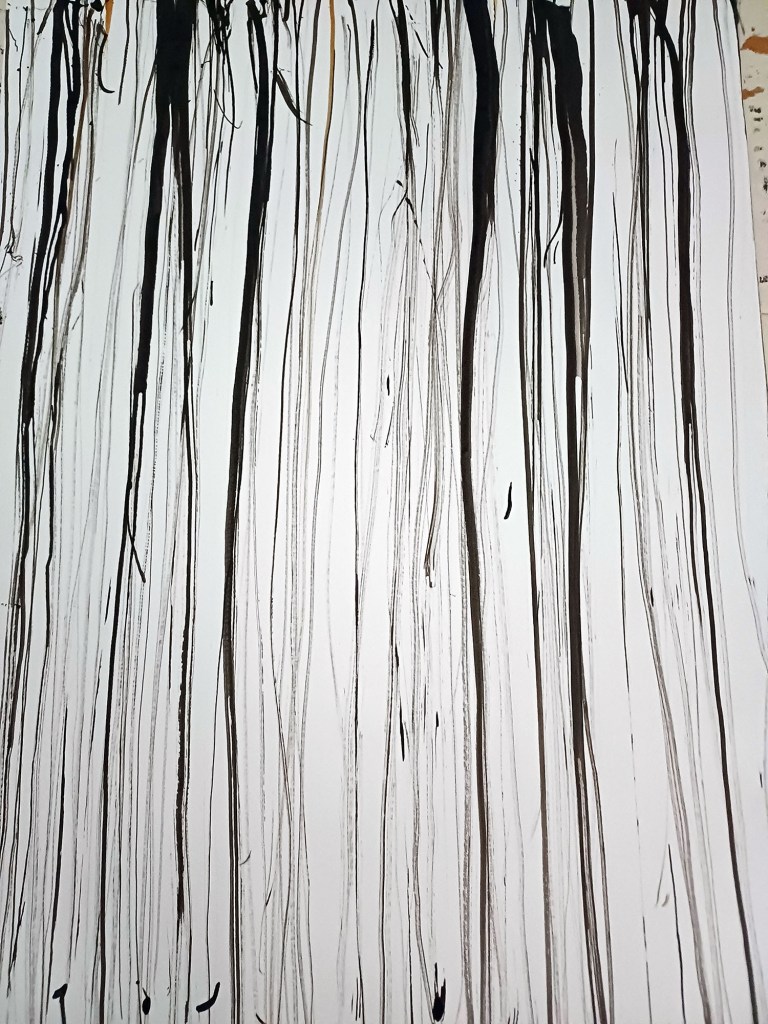
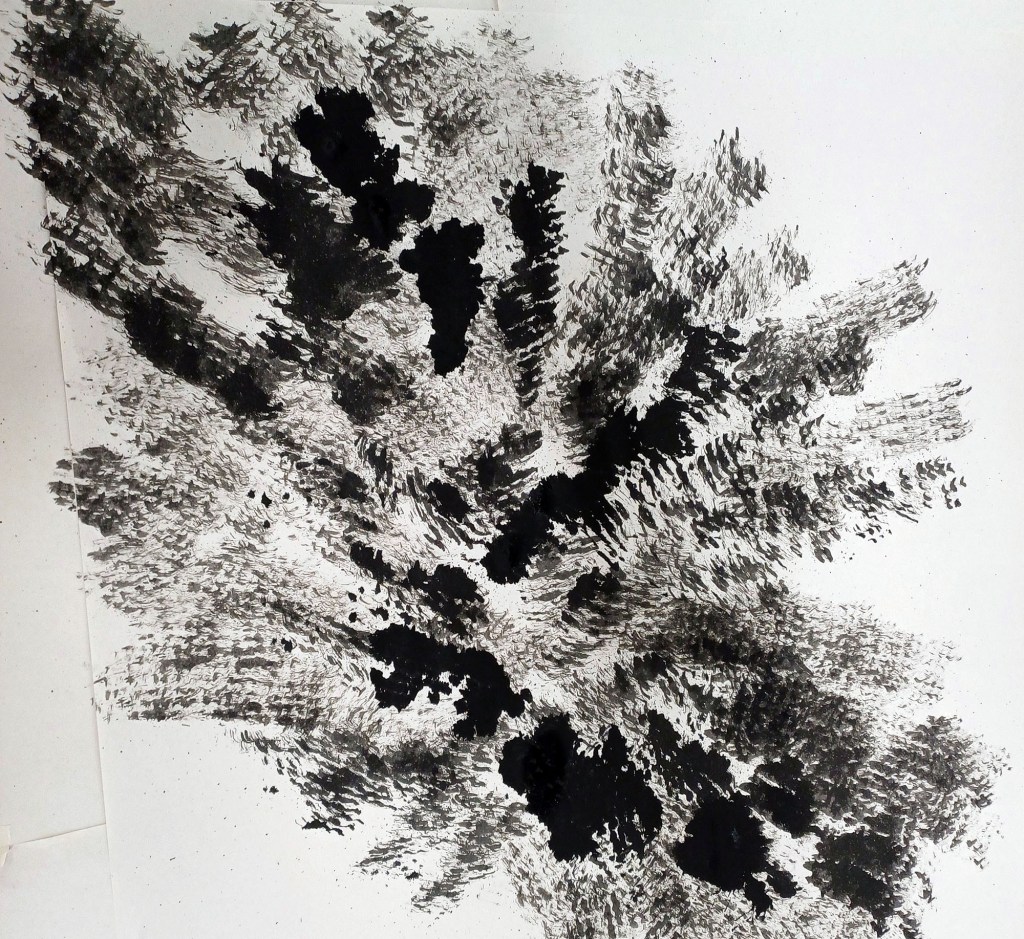
I have always found greater comfort in making marks that hold personal meaning rather than creating something that feels generic and, to me, ultimately without value. However, as the course progressed, I began to appreciate the simple act of making marks with ink on paper. There was no plan or design, only broad, sweeping gestures and the enjoyment of the process itself. Gradually, I began to see the beauty in the rhythm and flow these marks created.
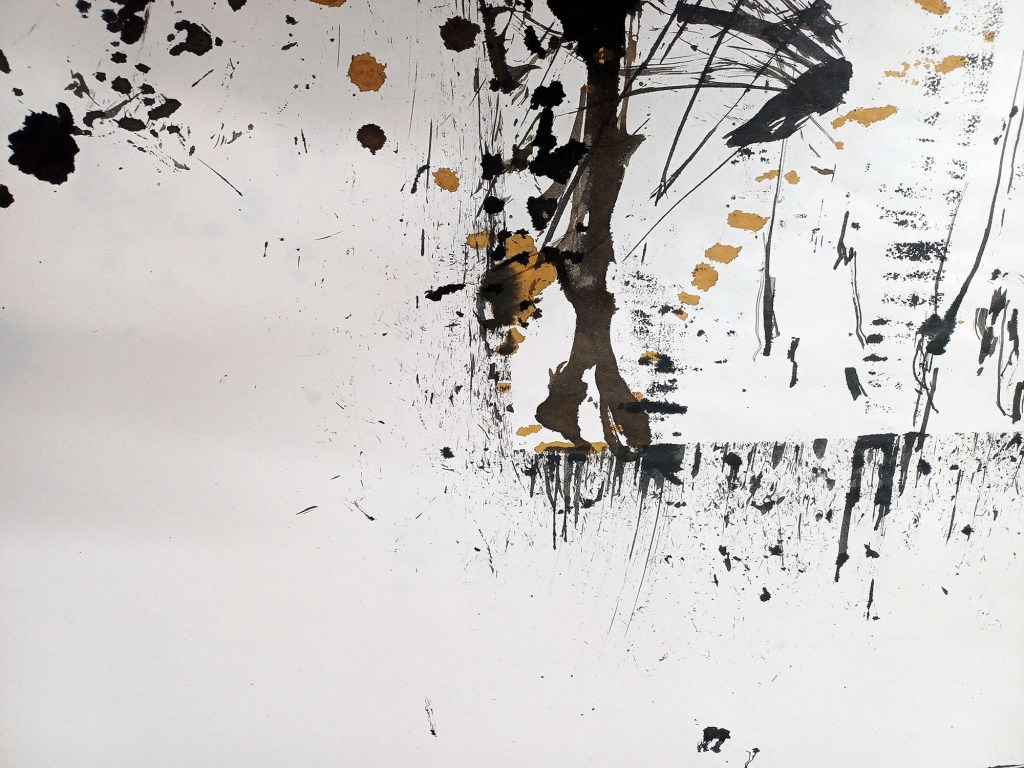
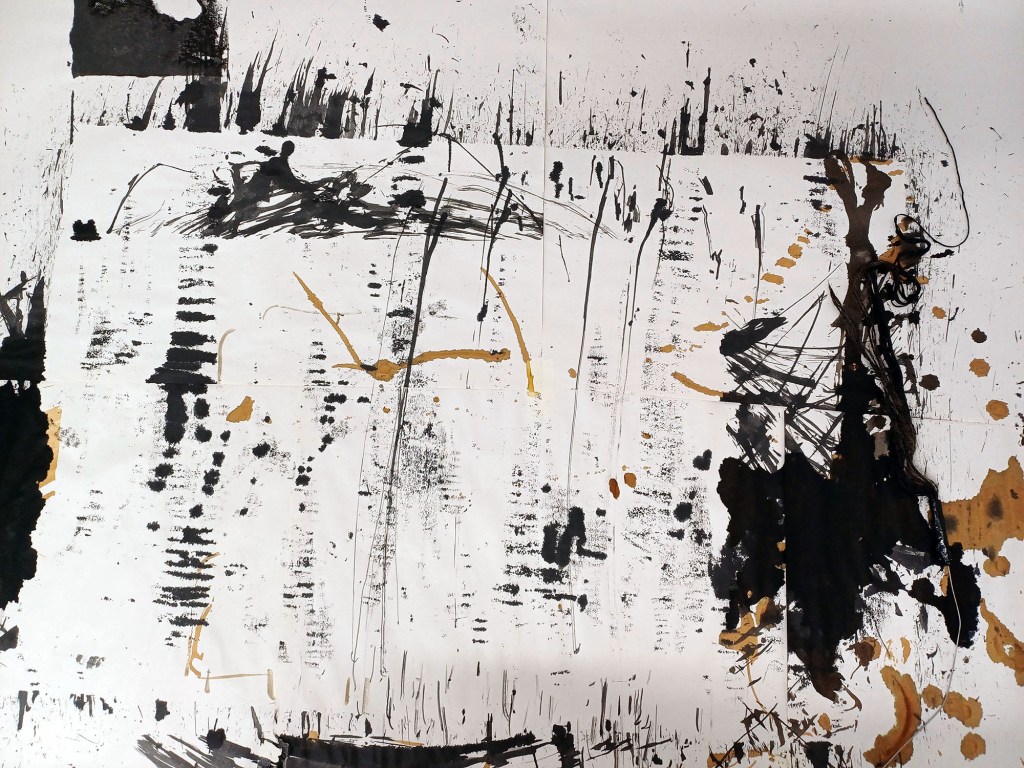
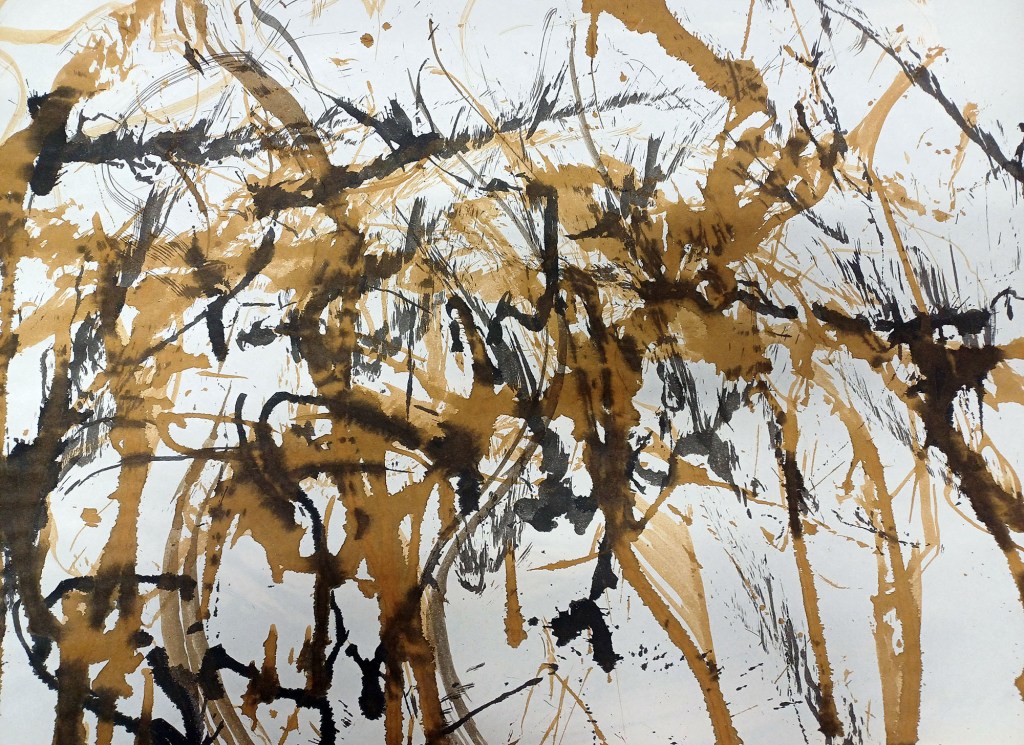
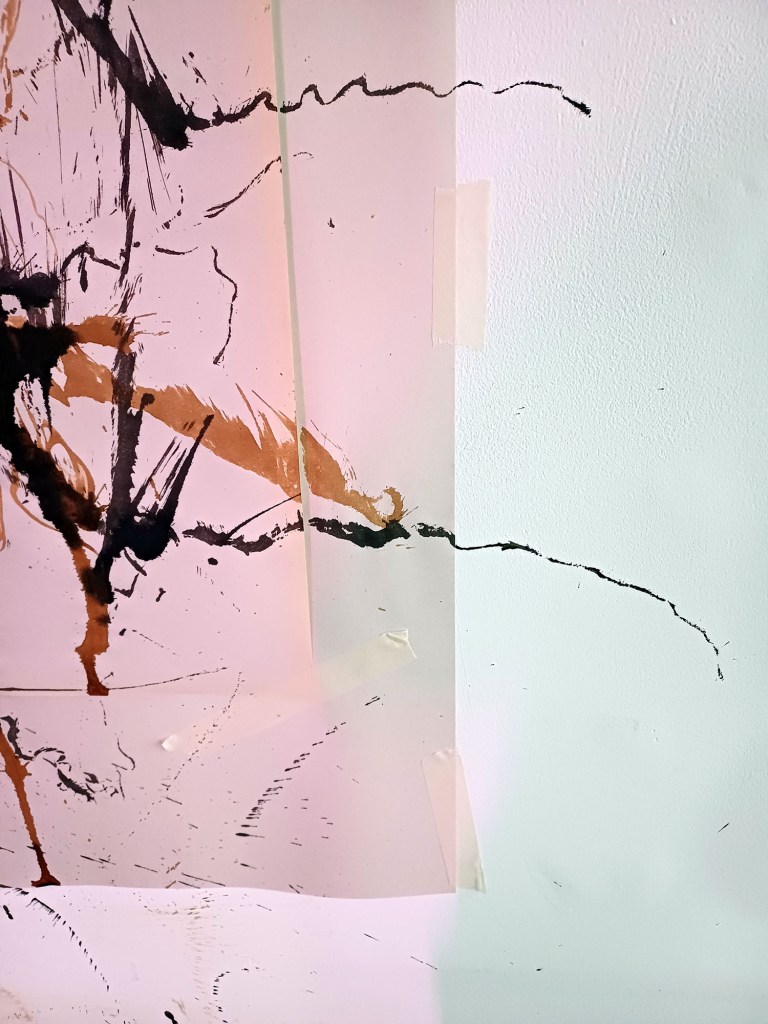
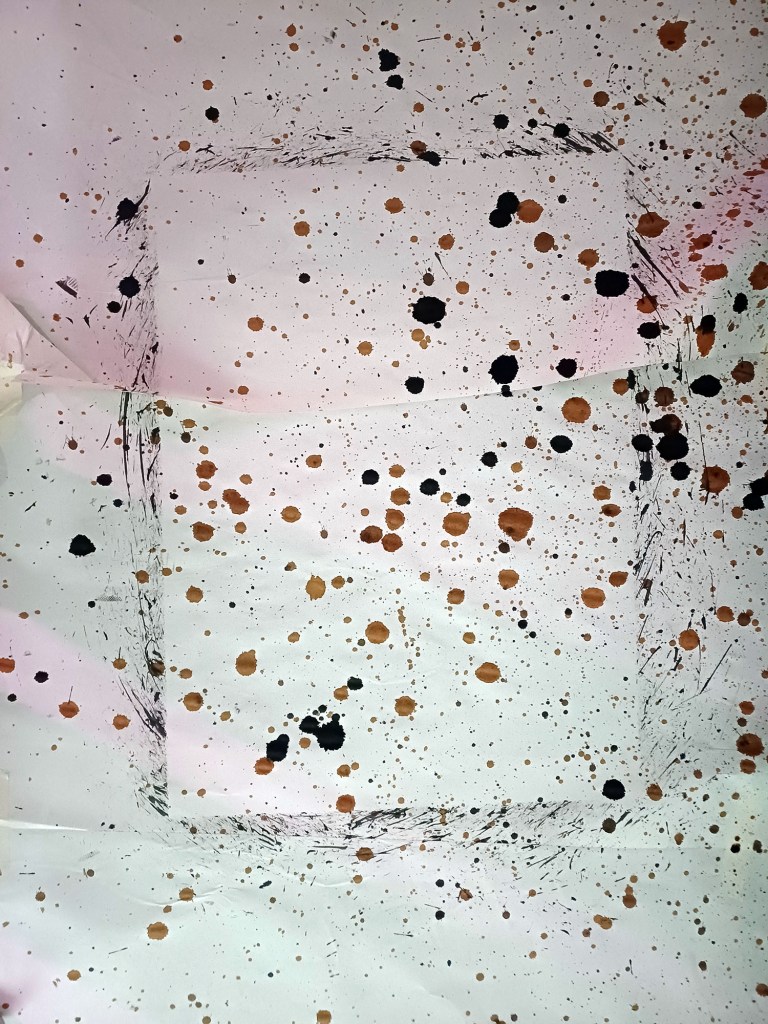
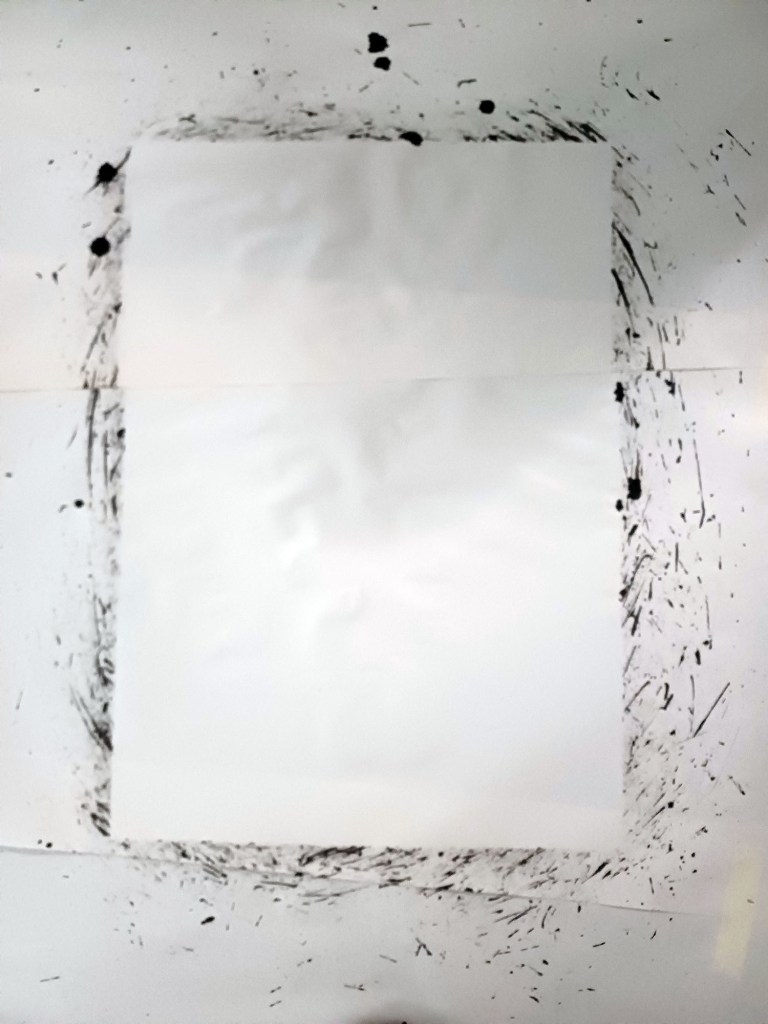
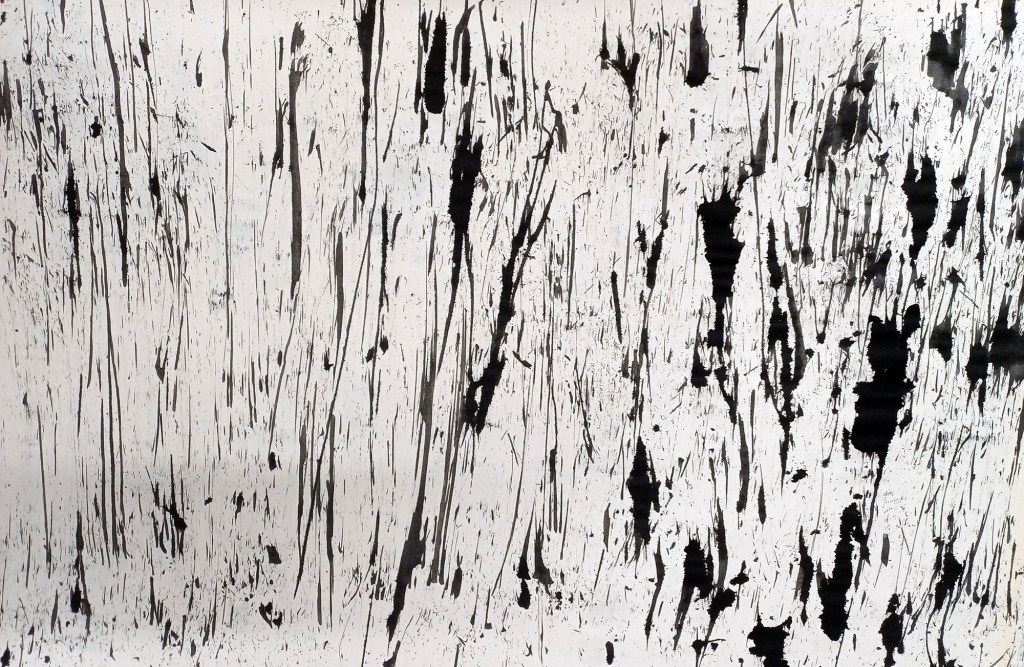
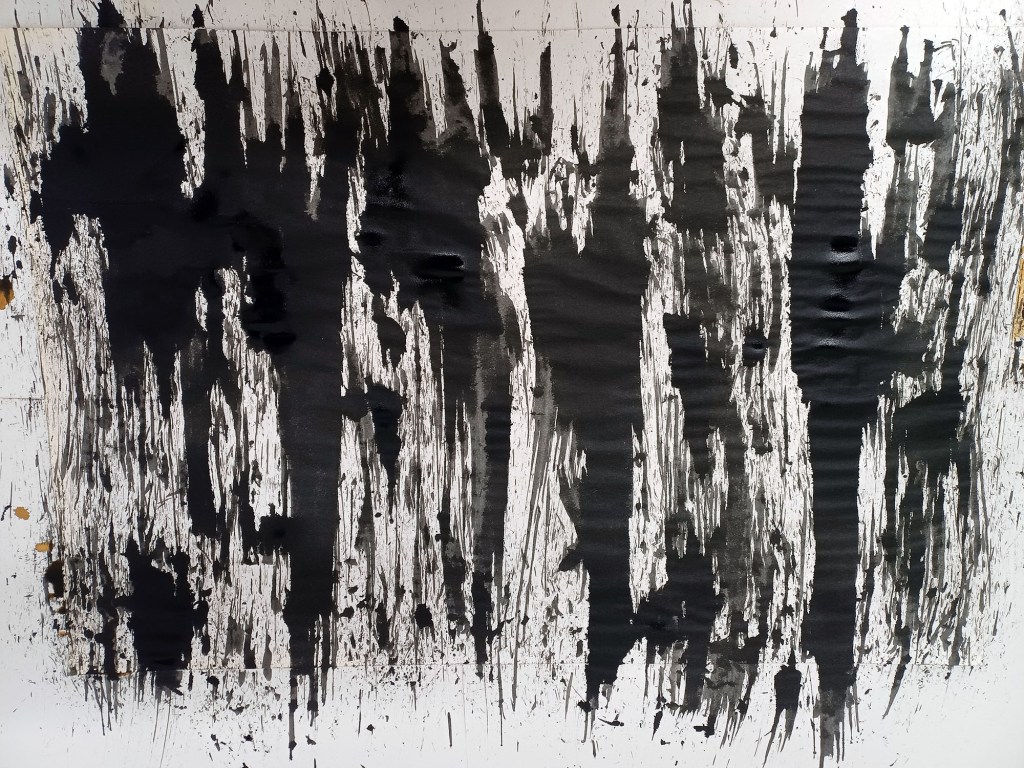
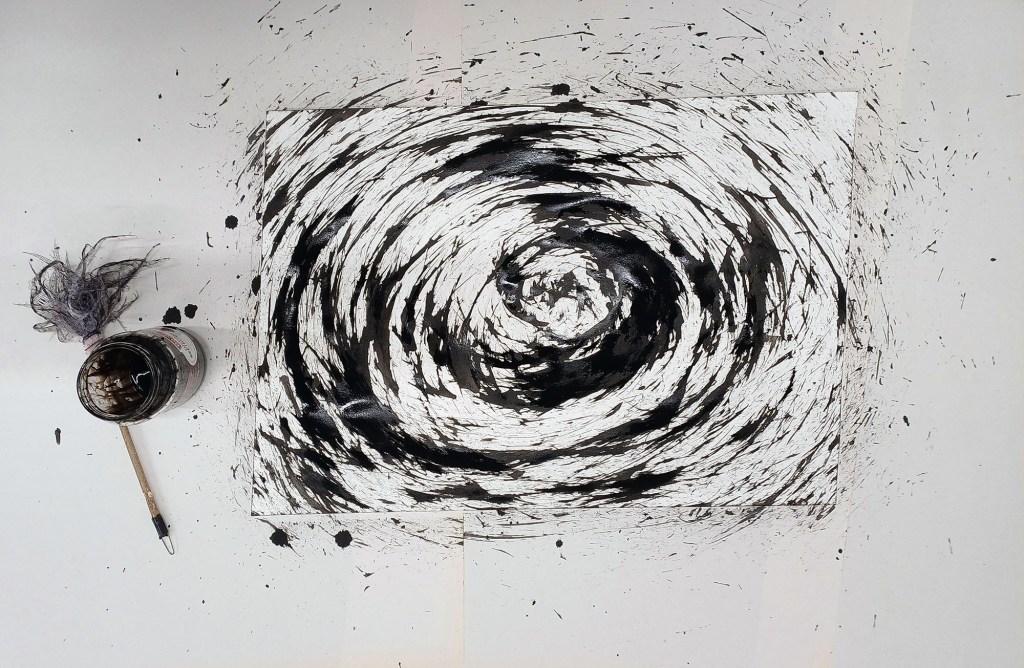
What surprised me most, though, was that I found the protective paper beneath the artwork far more interesting than the work itself. The accidental splashes, voids and traces left behind were entirely random. Unlike the deliberate marks I made with the brush, these could never be planned or controlled. They were simply the discarded remnants of the process.
Somehow, these abandoned marks became more compelling than the ones I had consciously struggled to create. While my mind sought order and tried to force randomness, the protective paper recorded genuine chance without intention or effort.
This will never be the kind of art I naturally gravitate towards, nor one I take particular pleasure in creating. Yet through this experience I learned that I can still recognise and appreciate its beauty.
 Cheryl Nelson Costumes
Leave a comment